
Writing is one of the most essential skills your child will learn. It’s a cornerstone for communication, academic success, and creative expression. However, before children can master writing, they need to develop several foundational abilities—like fine motor skills, hand-eye coordination, and familiarity with letter shapes.
The great news? Preparing your child for writing doesn’t have to feel like homework. Through fun, engaging, and playful activities, you can naturally build these critical skills without pressure or stress. Play-based learning is not only enjoyable but also effective in setting the stage for successful handwriting. In this article, we’ll explore playful strategies to get your child ready for writing—while also encouraging their creativity, focus, and independence.
1. Strengthen Hand Muscles with Playdough
Before a child can hold a pencil correctly or form letters, they need strong hand and finger muscles. One of the best tools to build these muscles is simple: playdough.
Rolling and Pinching
Encourage your child to roll the playdough into balls or long “snakes,” pinch pieces off, or press it flat. These actions strengthen the small muscles in their hands and fingers, essential for pencil control and fine motor coordination.
Forming Shapes and Letters
You can make learning more meaningful by having your child form letters, numbers, or shapes with playdough. This introduces writing patterns and strengthens their understanding of letter formation in a tactile, engaging way.
Cutting with Child-Safe Scissors
Let your child cut the playdough into small pieces using safety scissors. This not only develops grip strength but also reinforces scissor control—another important fine motor skill related to writing.
Why it helps:
Playdough is perfect for improving dexterity, endurance, and finger isolation, all of which are foundational for holding writing tools.
2. Practice Tracing Letters and Shapes
Tracing helps children understand the structure of letters and shapes while practicing the actual motions needed for writing.
Printable Tracing Worksheets
Start with worksheets that feature large, dotted letters or shapes. Ask your child to trace first with their finger, then with a crayon or marker. Tracing builds muscle memory and letter familiarity.
Sand or Salt Trays
Pour salt or sand into a shallow tray and invite your child to trace letters using their finger. This sensory-rich activity adds a fun dimension while reinforcing hand movements.
Use Stencils or Templates
Provide plastic stencils with letters or numbers. Tracing within these helps guide children to control their movements and develop consistency in letter formation.
Why it helps:
Tracing builds the confidence to form letters independently and allows repetitive practice in a stress-free, fun way.
3. Play with Drawing and Scribbling
Scribbling may seem random, but it’s a fundamental early writing skill. Through free drawing, children gain control over their hand movements and learn how to express themselves visually.
Encourage Free Drawing
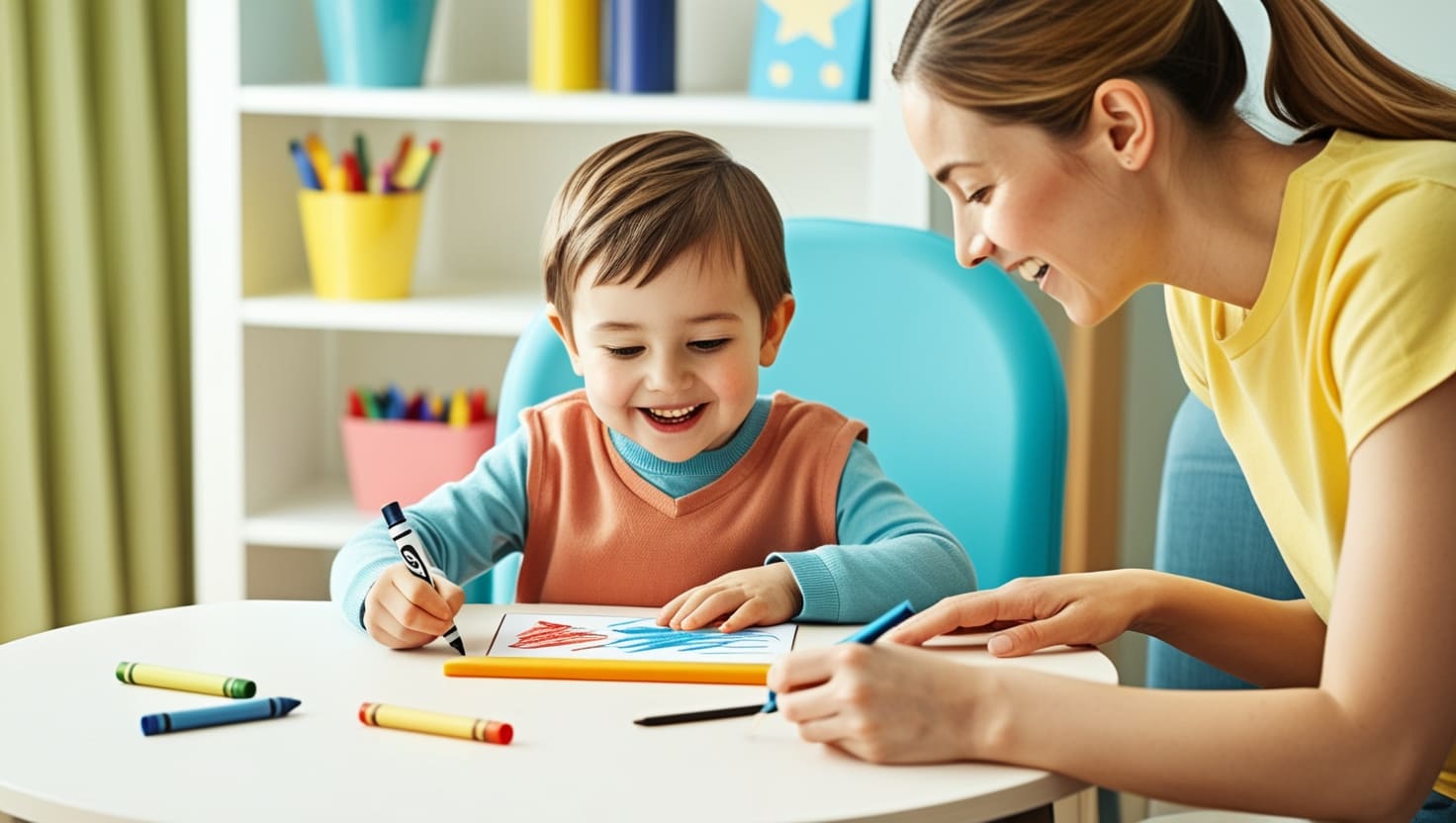
Allow your child to freely scribble with crayons, markers, or chalk. This strengthens their grip and helps them explore shapes and lines that eventually evolve into letters.
Use Large Paper and Thick Markers
Provide oversized paper and chunky crayons or markers to help your child draw large, sweeping lines. These larger motions mirror early writing strokes and help refine motor coordination.
Draw Together
Sit beside your child and draw with them. When they watch you create shapes, lines, and letters, they often mimic your movements, which reinforces learning through observation.
Why it helps:
Scribbling and drawing build hand control, confidence, and fine motor strength—the precursors to successful writing.
4. Use Fun Writing Tools and Materials
Children are more likely to engage with writing when the tools are exciting and age-appropriate. Offering variety keeps them curious and eager to participate.
Chunky Crayons and Pencils
Choose thick crayons and triangular pencils that are easier for little hands to grip. These help promote proper hand posture and pencil grasp.
Finger Painting
Let your child use their fingers to paint pictures, shapes, or even letters. Finger painting builds sensory awareness, control, and muscle strength in a fun, messy way.
Chalk and Chalkboards
Drawing with chalk—whether on a board or sidewalk—is another engaging way to practice writing motions. It encourages proper wrist movement and provides different textures for sensory stimulation.
Why it helps:
Novel and tactile tools keep writing fun while supporting the development of essential writing muscles and coordination.
5. Incorporate Writing into Everyday Play
When writing becomes part of daily pretend play, children naturally understand its purpose and feel motivated to practice it.
Pretend Play with Lists or Letters
Encourage your child to “write” letters to family members or make pretend grocery lists. They don’t need to spell correctly—what matters is the act of making marks with intention.
Mini Office or Store Setup
Set up a small office or pretend store where your child can use pens and paper to write receipts, draw signs, or take notes. This real-world connection makes writing meaningful.
Labeling Items Around the House
Involve your child in labeling drawers, containers, or toy bins. This activity not only enhances writing but also helps with reading recognition.
Why it helps:
When children see writing as part of everyday life, they’re more likely to adopt and enjoy it. It also builds purpose-driven writing habits.
You don’t need fancy tools or strict lessons to prepare your child for writing. Through simple, enjoyable play-based activities, you can build the key skills that lay the foundation for handwriting. Whether it’s squeezing playdough, scribbling on large paper, or pretending to write a menu during play, each activity builds strength, coordination, and familiarity with the writing process.
The most important part is to keep it fun, low-pressure, and consistent. With time and playful practice, your child will be ready to take their first steps into writing with confidence and excitement.