
Fine motor skills are crucial for your child’s development. These small, precise movements—like grasping a pencil, buttoning a shirt, or picking up small objects—are foundational for everyday tasks and academic success. Developing fine motor skills improves your child’s ability to write, eat independently, and perform various self-care routines.
One of the most effective and enjoyable ways to support your child’s fine motor development is through play. Games that focus on hands-on activities naturally encourage children to use their fingers and hands in purposeful ways, building strength, coordination, and control.
In this article, we’ll explore five engaging games and activities that are not only fun but also highly effective for developing fine motor skills in children. These playful methods will enhance their dexterity, boost confidence, and stimulate creativity—all while having fun!
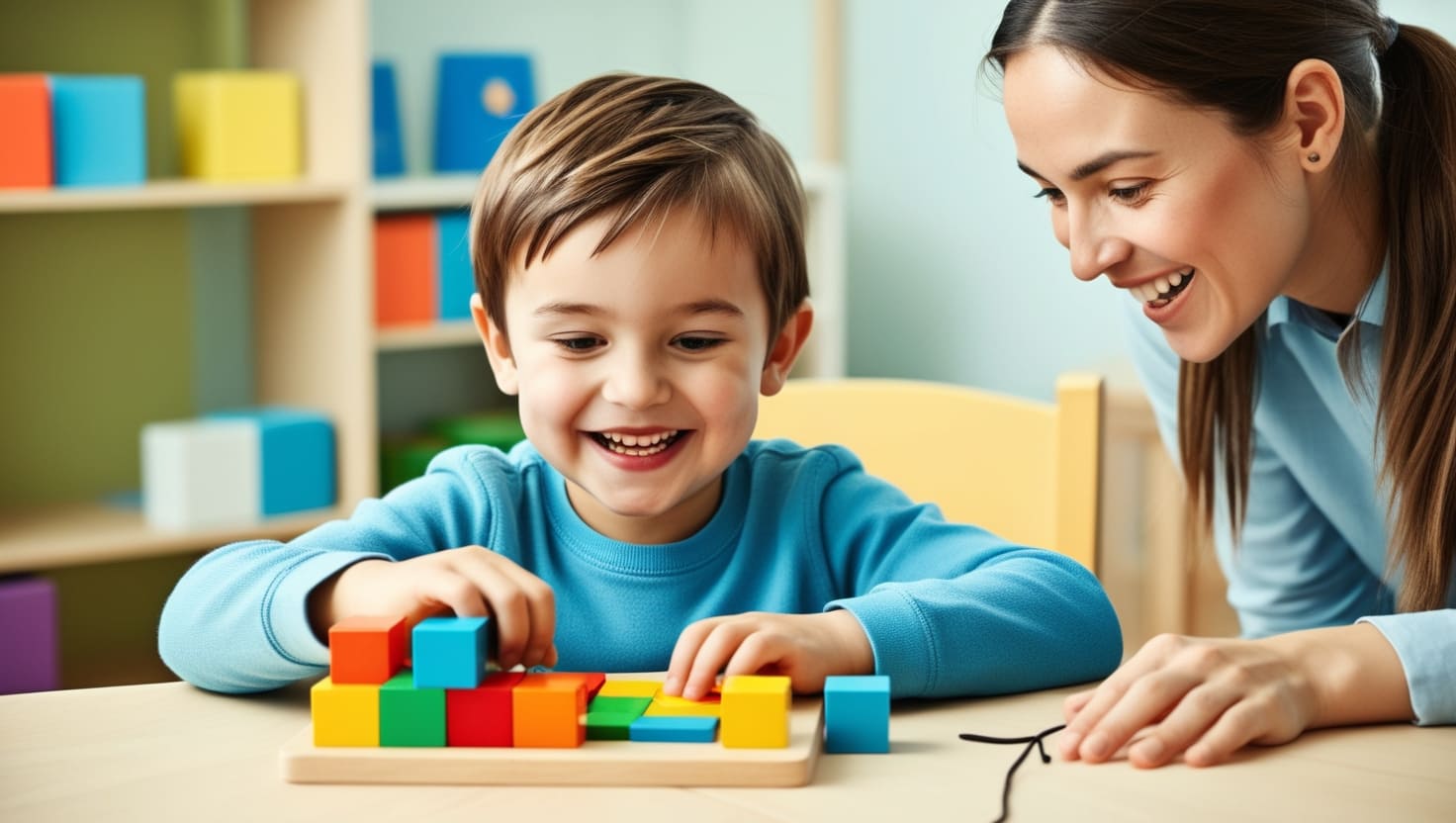
1. Play with Building Blocks or Legos
Building blocks and Legos are classic toys that offer more than just entertainment. They are powerful tools for developing fine motor skills in kids.
Stacking and Building
Encourage your child to build towers, houses, or bridges using blocks. This requires them to use their fingers with precision, improving hand control and strengthening their grip. The repeated action of picking up and placing blocks builds finger dexterity and muscle strength.
Pattern Creation and Design
Ask your child to build patterns using different colors or shapes. Creating symmetrical designs or imaginative constructions helps your child plan ahead and manipulate objects more carefully—key components of fine motor skill development.
Increasing Difficulty with Smaller Pieces
As your child gets older and more confident, introduce smaller building sets, like mini Legos. These require greater concentration and fine finger movements, helping improve coordination and control.
Why this works:
By stacking, balancing, and aligning blocks, children exercise hand muscles and develop visual-spatial skills, which are essential for writing and drawing.
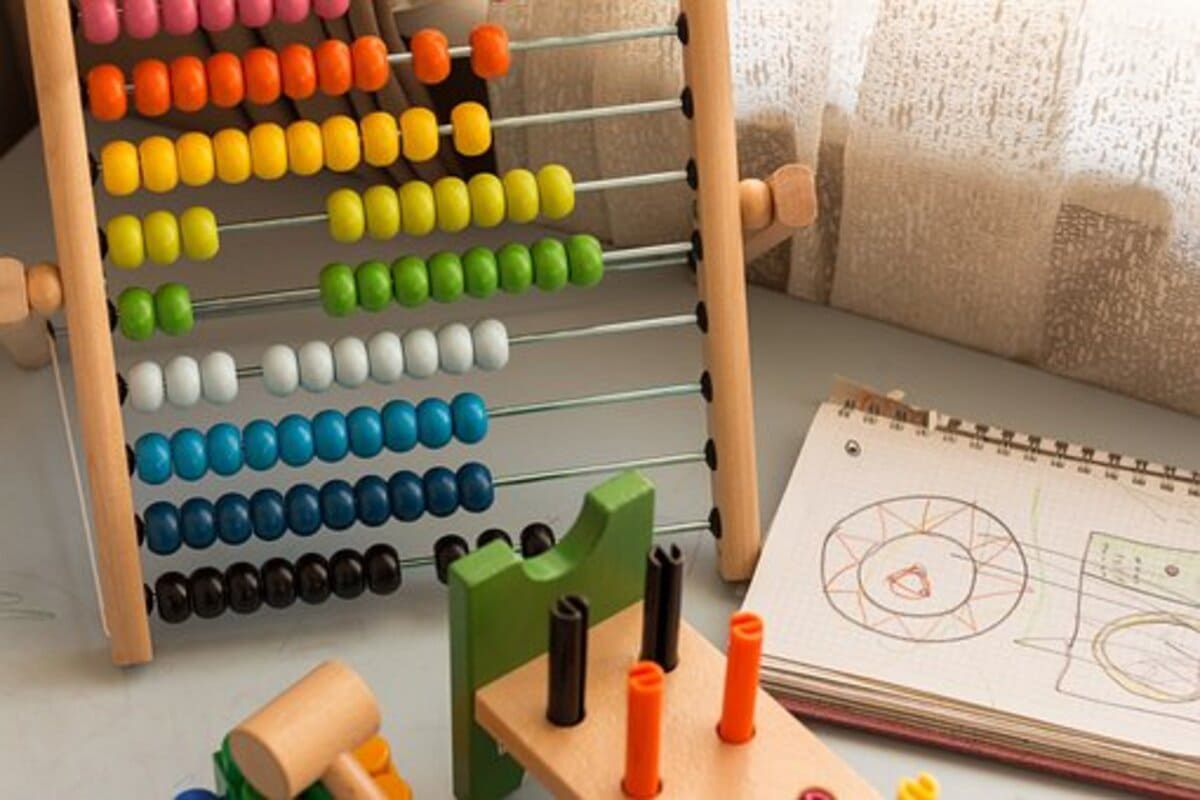
2. Use Puzzles and Shape Sorters
Puzzles are an excellent way to combine learning and fun while boosting fine motor skills. They also improve cognitive abilities like problem-solving and spatial awareness.
Jigsaw Puzzles
Begin with simple puzzles that have large pieces and gradually introduce more complex ones with smaller pieces. Fitting the correct pieces together strengthens finger muscles and enhances coordination.
Shape Sorters
These toys teach children how to grasp, rotate, and fit shapes into specific slots. This is a fantastic way to improve hand-eye coordination and reinforce shape recognition.
Color and Size Sorting Activities
Take sorting to another level by having your child organize puzzle pieces or objects by color or size. This not only reinforces cognitive development but also requires accurate hand movements.
Why this works:
Each puzzle piece or shape forces the child to control their hand movements precisely, enhancing their pincer grip, a fundamental fine motor skill.
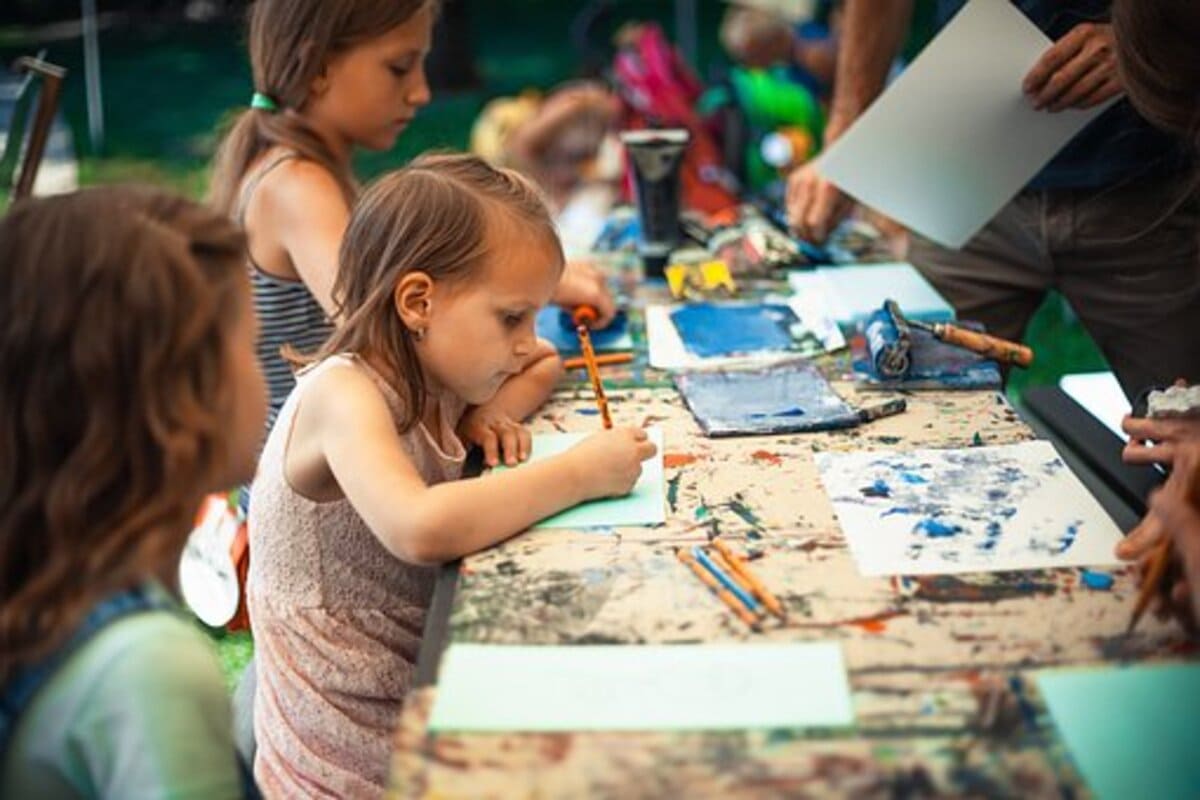
3. Engage in Arts and Crafts
Arts and crafts are more than just a creative outlet—they’re a hands-on approach to building fine motor skills.
Cutting with Scissors
Provide child-safe scissors and let your child cut out shapes, lines, or simple patterns. This strengthens hand muscles and improves bilateral coordination (using both hands together).
Drawing and Coloring
Ask your child to draw shapes, color within lines, or trace patterns. These actions help refine pencil grip and improve precision, both critical components of handwriting and classroom activities.
Sticking and Gluing
Let your child glue small objects like beads, buttons, or paper cutouts onto a surface. These tasks require careful manipulation, enhancing finger strength and control.
Why this works:
Crafts engage multiple senses and actions simultaneously. Holding a crayon, guiding scissors, or peeling stickers all involve coordination, patience, and control.
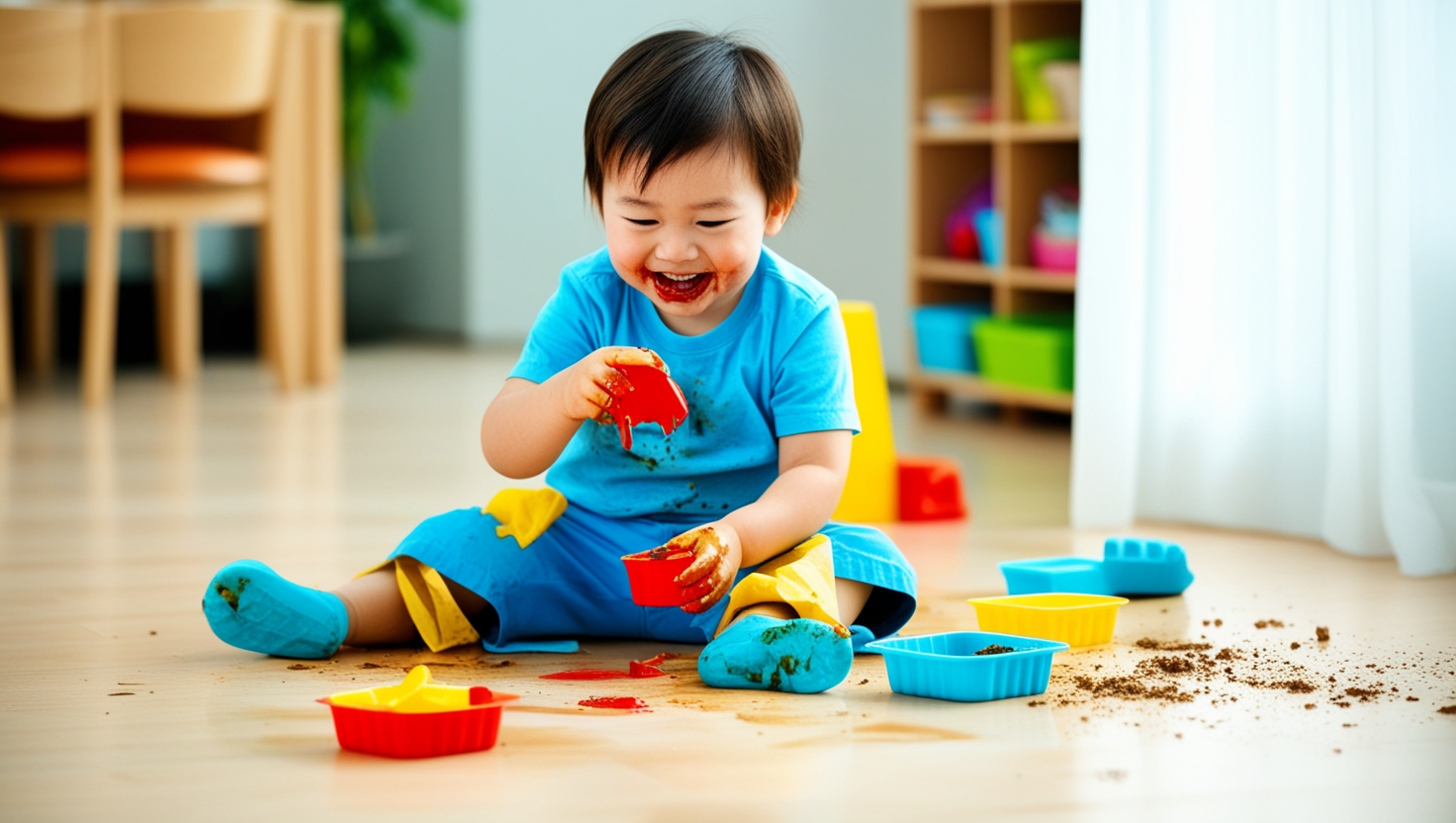
4. Play with Playdough or Clay
Playdough is a sensory-rich material that helps children build hand strength, coordination, and creativity—all essential to fine motor skill development.
Rolling, Pinching, and Shaping
Manipulating dough involves pressing, rolling, pinching, and pulling—each movement strengthens the small muscles in the hands and fingers.
Using Tools like Cookie Cutters
Offer tools like plastic knives, cookie cutters, or rolling pins. These make the activity more fun while requiring children to apply varied pressure and coordination.
Creative Shape-Making
Ask your child to make simple forms like balls, snakes, or even animals. These tasks improve dexterity and finger independence.
Why this works:
The resistance of the dough helps develop muscle tone and control, which are necessary for writing, zipping, or tying shoes.
5. Threading and Beading Activities
Threading is an engaging and highly effective activity for improving hand-eye coordination and finger dexterity.
Threading Beads or Buttons
Start with large beads and thick string, then gradually introduce smaller beads as your child’s skills progress. This enhances the pincer grip and builds wrist stability.
Making Bracelets or Necklaces
Designing patterns and choosing colors while threading beads also stimulates cognitive development and creativity.
Incorporating Different Textures
Use materials like felt beads, rubber buttons, or wooden shapes to provide tactile variety and encourage sensory integration.
Why this works:
Threading activities require precision, concentration, and bilateral coordination, making them perfect for improving fine motor control.
Helping your child develop fine motor skills doesn’t have to feel like a chore. Through fun and interactive games such as building with blocks, solving puzzles, crafting, working with clay, and threading beads, your child can strengthen essential motor skills while enjoying quality playtime.
These activities not only improve dexterity but also foster patience, focus, and creativity. By integrating these games into your daily routine, you’re setting a strong foundation for your child’s academic and life skills. Remember, consistency is key—practice these games regularly and watch your child thrive!