
What Is Fever in Children?
Fever in children is a temporary increase in body temperature. It is not a disease itself but a sign that the body is fighting an infection or illness.
Normal body temperature is around 37°C (98.6°F). Fever is usually defined as:
- 38°C (100.4°F) or higher
Fever is one of the most common reasons parents seek medical advice.
Although fever can be frightening, it is often a normal and healthy response of the immune system.
Why Does Fever Happen?
Fever helps the body fight infection by:
- Activating immune cells
- Slowing the growth of bacteria and viruses
- Supporting the body’s defense system
In many cases, fever is a sign that the immune system is working properly.
Common Causes of Fever in Children
1. Viral Infections (Most Common)
Viruses are the leading cause of fever.
Examples include:
- Common cold
- Flu
- Viral throat infections
These usually resolve on their own.
2. Bacterial Infections
Examples include:
- Ear infections
- Throat infections
- Urinary infections
These may require medical treatment.
3. Vaccinations
Some children develop mild fever after vaccines.
This is a normal immune response and usually resolves quickly.
4. Teething (Mild Temperature Only)
Teething may slightly increase temperature, but it usually does not cause high fever.
High fever during teething may indicate another cause.
5. Overheating
Excess clothing or hot environments can increase body temperature.
Symptoms That May Accompany Fever
In addition to high temperature, children may have:
- Fatigue
- Irritability
- Poor appetite
- Chills
- Sweating
- Headache
Some children remain active despite fever.
The child’s behavior is often more important than the number on the thermometer.
How to Measure Temperature Correctly
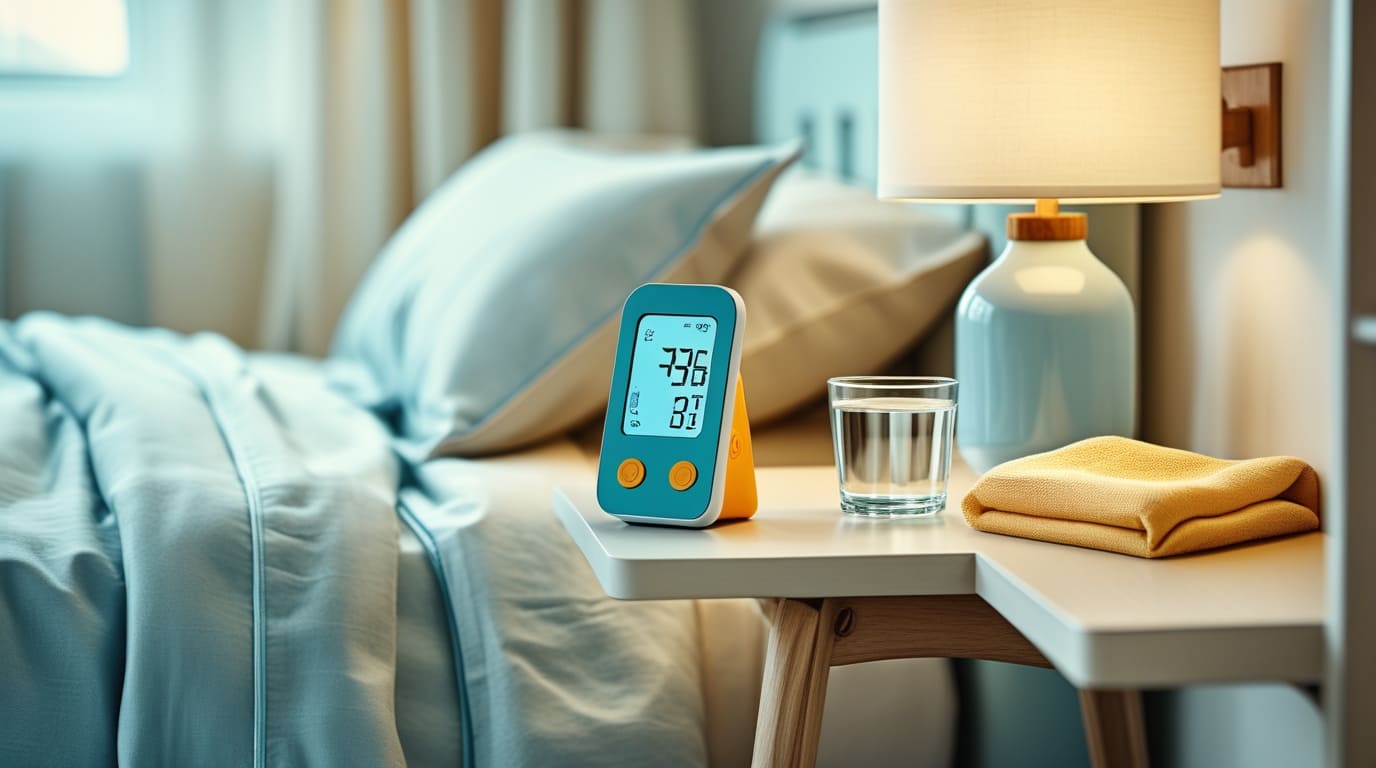
Use a digital thermometer.
Common methods include:
- Forehead
- Ear
- Armpit
- Mouth (for older children)
Rectal temperature is most accurate for infants.
When Is Fever Dangerous?
Fever itself is usually not harmful.
However, medical attention is needed if:
- Child is under 3 months old with fever
- Fever exceeds 40°C (104°F)
- Fever lasts more than 3 days
- Child appears very weak
- Difficulty breathing occurs
- Seizures occur
These situations require urgent evaluation.
Safe Ways to Reduce Fever in Children
Treatment focuses on comfort, not just lowering temperature.
1. Encourage Fluids
Fluids prevent dehydration.
Offer:
- Water
- Milk
- Soup
Avoid sugary drinks.
2. Allow Rest
Rest helps the body recover faster.
Do not force activity.
3. Dress Comfortably
Avoid excessive clothing.
Light clothing helps regulate temperature.
4. Use Fever Medication if Needed
Doctors may recommend:
- Acetaminophen (Paracetamol)
- Ibuprofen
Always follow correct dosage instructions.
Never give medication without proper guidance.
What Parents Should Avoid
Avoid:
- Cold baths
- Ice packs
- Overmedicating
- Panic
These methods may cause discomfort.
Febrile Seizures: What Parents Should Know
Some children may experience seizures triggered by fever.
This is called a febrile seizure.
Although frightening, most are harmless.
They usually:
- Last a few minutes
- Do not cause long-term harm
Medical evaluation is still necessary.
How Long Does Fever Last?
Most fevers resolve within:
- 2 to 3 days
Some viral infections may last longer.
Monitoring is important.
Does Fever Always Need Treatment?
Not always.
If the child is:
- Drinking fluids
- Responsive
- Comfortable
Fever may not need medication.
Treatment focuses on comfort.
How Fever Helps the Immune System
Fever enhances immune function.
It helps the body fight infection more effectively.
Suppressing mild fever unnecessarily is not always required.
Preventing Illness That Causes Fever
Prevention includes:
- Hand washing
- Proper nutrition
- Vaccination
- Adequate sleep
Healthy habits reduce illness risk.
Emotional Impact on Parents
Fever often causes anxiety.
Understanding fever helps parents stay calm and respond appropriately.
Most fevers are harmless and temporary.
When to Seek Immediate Medical Care
Seek urgent help if:
- Child is difficult to wake
- Persistent vomiting
- Severe headache
- Stiff neck
- Difficulty breathing
Trust parental instinct.
Long-Term Outlook
Most children recover fully.
Fever rarely causes complications in healthy children.
Proper care ensures safe recovery.
Fever in children is a common and natural response to infection. While it can be concerning, it is usually harmless and temporary.
The most important steps are ensuring hydration, comfort, and monitoring symptoms.
Parents should seek medical care when warning signs appear.
With proper care, most children recover quickly and safely.