

Malnutrition in Children: Why Early Awareness Matters
Malnutrition in children is a serious but preventable condition that affects physical growth, brain development, and immune strength. It does not only mean lack of food — it also includes poor nutrient balance.
Even children who eat regularly may suffer from hidden nutritional deficiencies that impact their health over time.
Early awareness helps parents protect their child’s long-term development.
What Is Malnutrition in Children?
Malnutrition occurs when a child does not receive the right amount of nutrients required for healthy growth and development.
It can include:
- Undernutrition (insufficient calories or protein)
- Micronutrient deficiencies (iron, vitamin D, zinc, etc.)
- Poor dietary quality
Common Causes of Malnutrition in Children
Limited Dietary Variety
Children who eat a narrow range of foods may lack essential nutrients.
Frequent Illness
Repeated infections can reduce appetite and nutrient absorption.
Digestive Problems
Chronic diarrhea or constipation may interfere with absorption.
Poor Feeding Habits
Irregular meals or excessive junk food intake.
Socioeconomic Factors
Limited access to balanced food options.
Signs and Symptoms of Malnutrition
Parents should watch for:
- Poor weight gain or weight loss
- Slow growth compared to peers
- Fatigue and low energy
- Frequent infections
- Pale skin
- Hair thinning
- Delayed development
Some signs may be subtle at first.
How Malnutrition Affects Child Development
Untreated malnutrition may lead to:
- Impaired cognitive development
- Learning difficulties
- Weak immune system
- Delayed puberty
- Reduced muscle strength
Early childhood nutrition has lifelong effects.
Types of Malnutrition
Acute Malnutrition
Rapid weight loss or severe weakness.
Chronic Malnutrition
Long-term poor growth (stunting).
Hidden Hunger
Adequate calories but lack of essential vitamins and minerals.
How to Prevent Malnutrition in Children
Offer Balanced Meals
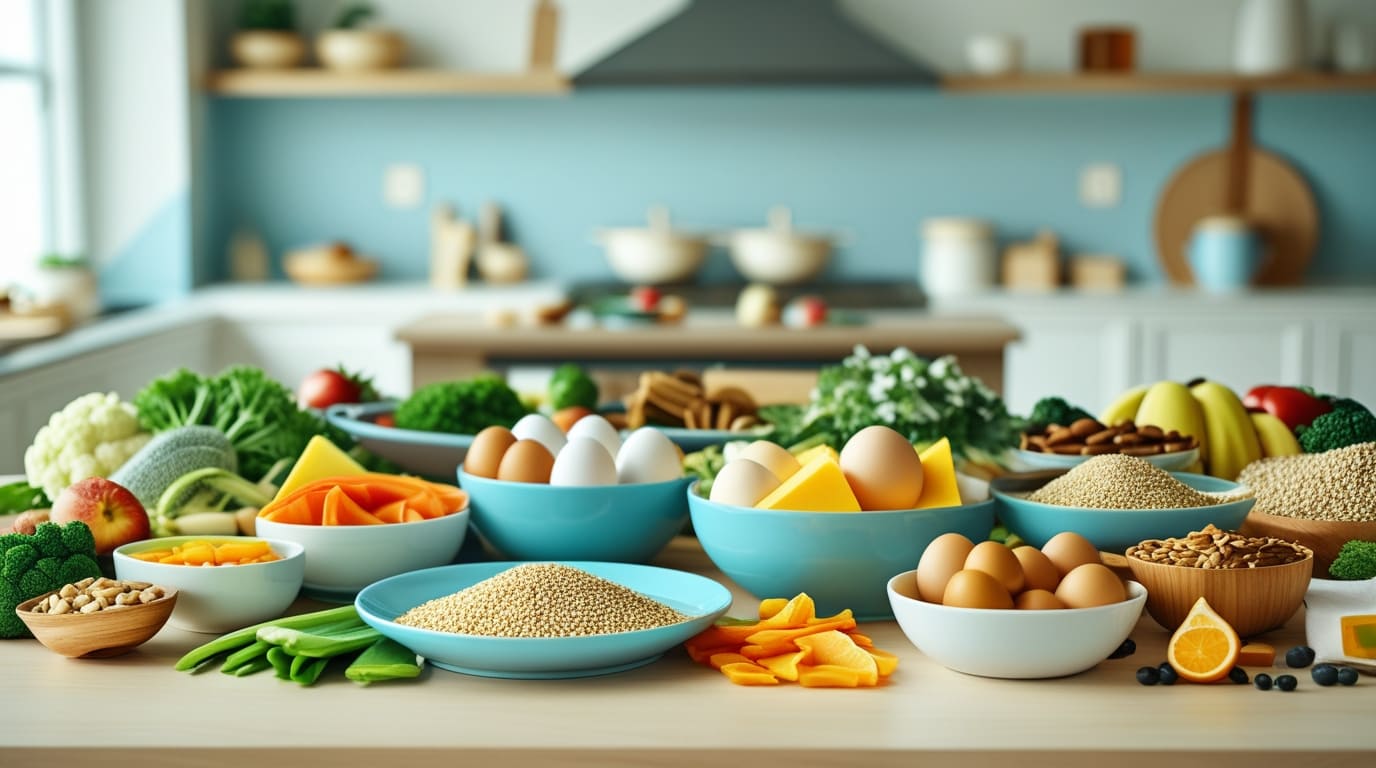
Include protein, healthy fats, fruits, vegetables, and whole grains.
Ensure Adequate Micronutrients
Iron, vitamin D, calcium, and zinc are essential.
Maintain Regular Meal Times
Routine supports consistent intake.
Encourage Healthy Eating Habits
Limit processed and sugary foods.
Monitor Growth Regularly
Regular pediatric checkups track development.
When Should Parents Seek Medical Advice?
Consult a pediatrician if:
- Growth charts show delay
- Appetite remains poor
- Frequent illness persists
- Development seems delayed
Early intervention prevents complications.
The Role of Supplements
Supplements may help in diagnosed deficiencies but should only be used under medical supervision.
Whole food nutrition remains the foundation of child health.
Malnutrition in children is preventable with awareness, balanced nutrition, and proper medical guidance. Supporting a child’s dietary needs ensures healthy growth, strong immunity, and optimal development. Small daily nutrition choices make a lifelong difference.